
How Would A Pool or Trampoline Affect Home Insurance?
Homeowners Insurance Pool and Trampoline Coverage: What Every Homeowner Needs to Know
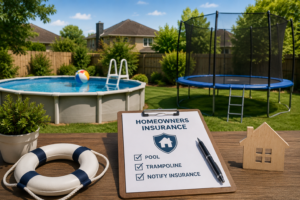 Adding a swimming pool or trampoline can create years of fun for your family. However, many homeowners don’t realize these additions can also affect their homeowners insurance coverage.
Whether you install an inground pool, an above-ground pool, a temporary seasonal pool, or a trampoline, you should always notify your insurance company and insurance agent. Failing to do so could lead to unexpected coverage issues, higher premiums, policy restrictions, or even non-renewal of your homeowners insurance policy.
We’ve recently seen several situations where homeowners added above-ground pools without informing their insurance carrier. During inspections, the insurance company discovered the pool and raised concerns about eligibility, coverage, or required safety measures.
Understanding how pools and trampolines affect your insurance can help you avoid surprises and protect your family and your finances.
Why Do Insurance Companies Care About Pools and Trampolines?
Insurance companies evaluate risk when deciding whether to insure a home and how much to charge for coverage.
Pools and trampolines increase the likelihood of injuries. Because of this, insurers often classify them as “attractive nuisances.” An attractive nuisance is something on your property that may attract children or visitors, creating an increased risk of injury.
When the risk of injury increases, the chance of a liability claim also increases.
Common concerns include:
- Slip-and-fall accidents around pools
- Diving injuries
- Drowning incidents
- Trampoline falls
- Multiple jumpers colliding on a trampoline
- Injuries involving guests or neighborhood children
- Property damage related to pool structures
These risks can lead to expensive claims, which is why insurance companies want to know when these features are present.
How Does Homeowners Insurance Pool and Trampoline Coverage Work?
Most homeowners insurance policies include personal liability coverage. This protection may help pay for legal expenses, medical costs, and damages if someone is injured on your property and you are found legally responsible.
However, not every insurance company handles pools and trampolines the same way.
Some carriers may:
- Accept pools and trampolines with no additional premium
- Require safety fencing or protective barriers
- Charge an additional premium
- Limit liability coverage
- Exclude pool- or trampoline-related claims
- Refuse to write or renew the policy altogether
Because underwriting guidelines vary significantly, it’s important not to assume your current coverage remains unchanged after adding these features.
Does It Matter If the Pool Is Above Ground or Temporary?
Many homeowners mistakenly believe only inground pools need to be reported. That’s not true.
Insurance companies often want to know about:
- Inground pools
- Above-ground pools
- Inflatable pools
- Seasonal pools
- Portable pools
- Semi-inground pools
Even temporary pools can create liability concerns. If a guest is injured or a child gains access to the pool area, a claim may arise regardless of whether the pool was intended to be permanent.
We’ve recently encountered several inspection situations where homeowners installed above-ground pools and did not notify their insurance carrier. During routine inspections, the carrier discovered the pool and requested additional information or reviewed the property’s eligibility.
A quick phone call before installation could have prevented the issue.
What Safety Features May Be Required?
Insurance companies often require specific safety measures before they will insure a property with a pool.
Requirements may include:
- Locked gates
- Four-sided fencing (with minimum height requirements)
- Self-closing gates
- Pool covers
- Pool alarms
- Compliance with local building codes
For trampolines, some insurers may require:
- Safety nets
- Ground anchoring systems
- Restricted access when not in use
- Four-sided fencing (with minimum height requirements)
These requirements vary by company and state.
Meeting safety standards may improve eligibility and help reduce liability exposure.
What Happens If You Don’t Tell Your Insurance Company?
Failing to notify your insurance company can create several potential problems.
Coverage Questions
When a claim occurs, the insurance company will review the circumstances surrounding the loss. Undisclosed property changes can create additional scrutiny during that process.
Inspection Issues
Many insurance companies conduct exterior inspections after issuing or renewing policies.
If an inspector discovers a pool or trampoline that wasn’t disclosed, the company may request additional information or require corrective action.
Policy Changes
The carrier may:
- Increase the premium
- Require safety improvements
- Add coverage restrictions
- Change eligibility status
- Decide not to renew the policy
Claims Delays
Undisclosed risks can sometimes complicate claim investigations and create unnecessary delays.
The easiest solution is simple: notify your insurance company before or immediately after installation.
What Questions Should You Ask Before Installing a Pool or Trampoline?
Before making a purchase, contact your insurance agent and ask:
- Will my insurance company allow a pool or trampoline?
- Are there additional premiums?
- Are safety features required?
- Will my liability limits be sufficient?
- Are there any exclusions I should know about?
- Will an inspection be required?
Getting answers in advance can help you avoid expensive surprises later.
Can Higher Liability Limits Be Helpful?
Many homeowners with pools or trampolines choose to review their liability coverage limits.
Because these features increase the risk of injury claims, some homeowners explore options such as higher liability limits or umbrella insurance policies.
The right coverage depends on your individual circumstances and should be discussed with a licensed insurance professional.
The important takeaway is that adding a pool or trampoline is a good time to review your overall liability protection.
Why Early Communication Matters
One of the most common mistakes homeowners make is assuming a backyard addition has no impact on insurance.
Pools and trampolines are different.
Insurance companies specifically monitor these risks because they can lead to significant liability claims. Waiting until after an inspection or claim occurs can create avoidable complications.
A quick conversation with your insurance agent allows you to:
- Confirm eligibility
- Understand coverage requirements
- Address safety concerns
- Avoid policy surprises
- Protect your family’s financial future
That simple step can save considerable frustration down the road.
Contact Huff Insurance
If you’re planning to install a pool or trampoline—or you’ve recently added one—now is the perfect time to review your homeowners insurance coverage.
Huff Insurance has been serving clients as an independent insurance agency since 1960. An independent insurance agent is an insurance professional who works with multiple insurance companies rather than just one carrier. This allows us to compare options and help you find coverage that fits your needs.
Our experienced team can help you understand how pools, trampolines, and other property changes may affect your homeowners insurance policy and what steps you may need to take to maintain proper coverage.
Contact Huff Insurance today to review your coverage and help ensure there are no surprises when it comes to protecting your home and family.
Frequently Asked Questions
Do I need to tell my insurance company about an above-ground pool?
Yes. Many insurance companies want to know about any pool on the property, including above-ground and temporary pools. These pools can increase liability exposure and may affect policy eligibility. Requirements vary by carrier, so it’s important to notify your insurer before or shortly after installation.
Will my homeowners insurance premium increase if I install a pool?
Possibly. Some insurance companies charge additional premiums for pools, while others may not. The cost often depends on the type of pool, safety features, and the insurer’s underwriting guidelines. Your agent can explain how your specific company handles pool risks.
Are trampolines covered under homeowners insurance?
Coverage varies by insurance company. Some carriers allow trampolines with certain safety features, while others exclude trampoline-related claims or decline coverage altogether. Always check with your insurance provider before installing a trampoline.
Can my insurance company cancel my policy because of a pool or trampoline?
Insurance companies generally follow state regulations regarding cancellations and non-renewals. However, some insurers may decide not to renew a policy if a pool or trampoline does not meet their underwriting requirements. This is why early communication is so important.
What is the biggest mistake homeowners make after installing a pool?
The most common mistake is failing to notify their insurance company. Many homeowners assume coverage remains unchanged. Unfortunately, inspections often reveal undisclosed pools, leading to eligibility reviews, coverage concerns, or required corrective actions.
Conclusion
Pools and trampolines can provide years of enjoyment, but they can also create insurance complications if your carrier isn’t informed. Whether you’re installing an inground pool, an above-ground pool, a temporary pool, or a trampoline, always notify your insurance company and insurance agent.
A brief conversation today can help prevent coverage surprises tomorrow. Understanding your insurer’s requirements, reviewing your liability protection, and addressing safety concerns early can help keep your family protected while you enjoy your backyard investment.
About The Author: Jerry Nicklow
Jerry Nicklow has worked in the insurance industry since 1995 and has written insurance marketing and educational content since 2008. He holds the API, AAI, and AIS designations from the Insurance Institutes. He has also appeared on insurance industry podcasts, and is the creator of Real Insurance Talk, where he explains insurance in plain terms through articles and his YouTube channel to help individuals and business owners better understand coverage and risk.