What Is Fake Check Fraud?
Fake check fraud is a dangerous and costly scam that’s been making a comeback. It often begins with what looks like a surprise windfall—a certified check that arrives by mail, sometimes even by Priority Mail to make it seem legitimate.
But here’s the kicker: the check is fake, and the scammer is hoping you’ll deposit it before you realize that. Once you do, they’ll convince you to send part of the money back, only for the check to bounce later—leaving you on the hook for the full amount.
The Certified Check Scam Making the Rounds
Scammers are getting creative. Recently, people have received what look like certified checks supposedly sent from Huff Insurance—complete with Priority Mail envelopes and branding. We recently received one of these fake checks that was returned to us by the post office because the fraudsters used an incorrect mailing address for their target. This is what triggered me to write this blog today.
Here’s how the scam usually works:
-
You receive a Priority Mail envelope with a certified check inside. Sometimes, the envelope appears to be from us, but the check is from a totally different company. The scammers are trying to make it look like we are simply forwarding a check to you that we may have received in error. This is an abvious sign of the scam.
-
There’s a letter or message stating the check was sent in error or that you’re being rewarded for a job or service. Or, they give you a number to call or text and they reply with the deposit instructions. The real slick ones simply send the check with hopes that you will call the number on the check to ask why you received it.
-
You’re told to deposit the check immediately via mobile deposit or ATM. Most banks make the funds from this type of transaction available to you the next business morning. Also, with remote deposit, there is not a teller involved who may easily spot the signs of the scam and clue you on to it.
-
The scammer then tells you to keep a portion as a “thank you” and return the rest via Zelle, wire transfer, or money order. They may say tell you to keep 10% or 20% and send back the difference pay you back for your inconvenience.
-
A few days later, the check bounces—and your bank reverses the deposit, leaving you liable.
Spoiler alert: Huff Insurance did NOT send or forward that check.
Why This Scam Works
Scammers rely on the fact that banks often make funds available before checks officially clear. This can take days or even a week. So while the money might look available in your account, that doesn’t mean the check is legitimate.
And once you’ve sent money back to the scammer? It’s gone.
Warning Signs of Fake Check Fraud
Watch for these red flags:
-
You receive a check out of the blue with vague or overly friendly instructions.
-
You’re asked to deposit the check quickly and send money back.
-
The sender claims to be from a well-known business, like Huff Insurance—but the communication seems off.
-
You’re told to keep some cash as a reward for your trouble.
-
The check has unusual formatting, misspelled names, mismatched contact info, or feels like it not printed on normal check papaer stock.
Huff Insurance Scam Alert: What You Need to Know
We want to set the record straight:
Huff Insurance is not sending out or forwarding certified checks in the mail. If you receive a check from us, it will be our official check and will have clear explanation as to what it is for. You can call us to verify any checks you may receive.
If you’ve received a check from another company that appears to be forarded from us—especially one asking you to send money back—it’s 100% a scam.
We’ve heard reports of this happening and we’re doing everything we can to warn our community. If you’re ever unsure, call us directly at (410) 647-1111 or email info@huffinsurance.com before taking any action.
How to Protect Yourself From Fake Check Scams
Here’s what you can do:
-
Don’t deposit suspicious checks. Contact your bank or the issuing bank first. Bank representatives are highly trained to spot most of today’s scams and can help you through the situation.
-
Verify independently. Look up the real phone number of the company or person—not the one in the letter. Sometimes the company name that is on the check is also not aware that the scam is being pulled off in their name.
-
Never send money back. Legitimate businesses won’t ask you to refund a portion of a payment you didn’t expect. They would simply ask you to either return the check or they would stop payment on it and ask you to void or destry the check.
-
Report the scam. Contact the FTC at reportfraud.ftc.gov. Also report it to your local postmaster. We hve done this several times because what they are doing is considered mail fraud. Te post office can also figure out where the envelope was actually mailed from and possibley track down the fraudsters.
Contact Huff Insurance
Since 1960, Huff Insurance has proudly served Maryland and beyond as an independent insurance agency. That means we work for you, not for a specific insurance company. We shop multiple carriers to find coverage that fits your needs and budget.
If you have questions about a suspicious mailing, a check you’ve received, or need help with insurance of any kind, don’t hesitate to reach out. We’re here to help—and to protect you from scams like these.
📞 Call us: (410) 647-1111
📧 Email: info@huffinsurance.com
Frequently Asked Questions (FAQ)
Q1: What should I do if I deposited a fake check?
Contact your bank immediately. They can try to stop the transfer or flag your account. Also report the scam to the FTC.
Q2: How do scammers get my information?
They may buy your data from breached sources or use public information. Sometimes it’s just a numbers game—they mail out thousands of checks hoping someone will fall for it.
Q3: Can I get my money back?
Unfortunately, once you send money to the scammer, it’s very hard to recover. That’s why acting quickly is so important.
Q4: How can I tell if a check is real?
Call the issuing bank directly—using a number from their official website—and ask them to verify the check. Do not use a phone number that is on the letter mailed or the phone number on the check. If it is a fake check, they would also include a fake number on it to complete the scam.
Q5: Why are scammers using Huff Insurance’s name?
They use trusted brands to make their scam look more convincing. Huff Insurance is not involved in these scams in any way.
Final Thoughts
Fake check fraud is a serious threat—and it’s growing more sophisticated. Don’t let your guard down just because a check looks real or arrives in a fancy envelope. If something feels off, trust your gut and verify before you act.
And remember, Huff Insurance is always here to help guide you through these confusing and sometimes scary situations.

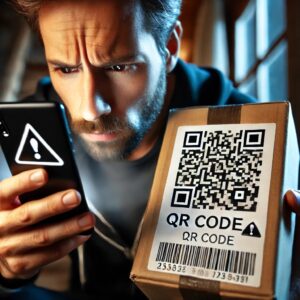 Picture this: a Bluetooth speaker you didn’t order arrives at your door. It’s addressed to you, but no sender information is visible. Inside, you find a QR code, encouraging you to scan it for more information about your “gift.” But as soon as you do, hackers gain access to your device, steal your bank details, drain your account, and sell your personal data on the dark web. This is one of the newest QR code scams.
 Are you looking to switch
 Homeowners insurance
 When people hear about hurricanes, their minds often go straight to beachfront properties and coastal communities. It’s easy to imagine surging waves crashing against shorelines and wind-swept sands when thinking about flood risk. However, Hurricane Helene threw a wrench in those expectations by causing unprecedented flooding in areas far from the coast. This storm served as a stark reminder that when it comes to flooding, nowhere is truly “safe.” meaning every homeowner and business owner should think about getting


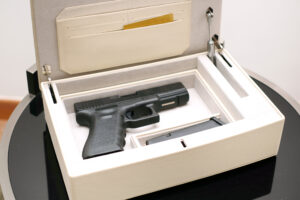 Owning a gun comes with significant responsibility, especially when there are others living in your home. Whether you’re a new gun owner or have had firearms for years, ensuring gun safety in the home is crucial to preventing accidents. Safe gun practices protect your family and others, creating a secure environment for everyone. Don’t let lack of gun safety procedures land your family in the news.
 When applying for